






Chinese Porcelain and Ceramic Teapots.
What sets porcelain and ceramic teapots apart is the finesse of their craftsmanship. However, both are made from fired clay and the production processes are almost identical.
The key difference lies in the firing temperature of the clay and, of course, the finishing.
That’s why we’ve grouped Porcelain and Ceramic Teapots together in this collection.
One of the extra pleasures of enjoying tea is choosing your accessories according to your taste. Items such as cups, kettles, tea caddies, and of course teapots are part of the joy of preparing your tea break.
The options are endless, with a dazzling array of shapes, sizes, and decorative touches. Sometimes this makes us forget one of the most important decisions when choosing a teapot: its function!
How to Choose Between a Porcelain or Ceramic Teapot?
1) Ceramic Teapot.
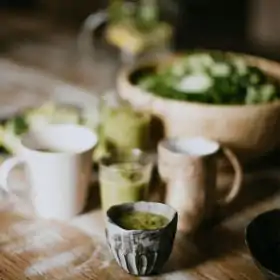
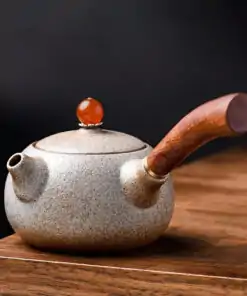
Clay teapots are generally less refined than porcelain but are no less beautiful. They can showcase exquisite detail in their patterns.
Ceramics are less fragile and often have thicker walls, giving them natural heat retention properties and low porosity. They also brew tea leaves quickly. We recommend using a timer for the first one or two brews, then adjusting steeping time to your taste.
A Ceramic Teapot for a Specific Type of Tea.
Check whether the inside of your ceramic teapot is glazed or not, as this affects how you use it. If glazed, you can switch between different teas as you like. If unglazed, like Yixing teapots, stick to one tea type to avoid unwanted flavor mixing.
How to Choose Your Ceramic Teapot?
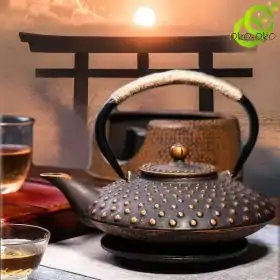
Look at the spout of the teapot. If it narrows slightly at the tip, it ensures a better pour and a more elegant service. A spout that’s too wide can be messy when pouring tea.
Ceramic teapots were typically fired in open pits, which is why their firing temperature differs from porcelain. Their firing temperature is significantly lower. They were made for everyday use and first appeared around 11,000 years ago in Asia and the Middle East.
2) Porcelain Teapot.
Porcelain teapots are mostly glazed inside and out. Again, unglazed interiors mean the teapot should be dedicated to one type of tea, while glazed interiors allow for a variety of teas.
Stains can be hard to accept, and although washing with soap removes them, most connoisseurs consider soap a taboo for fine teapots. It’s better to rinse thoroughly with water, wipe with a clean damp sponge, and leave the stains alone.
The heavier a porcelain teapot, the easier it is to keep tea warm longer. Brew in the teapot and decant, or brew in another vessel and pour the brewed tea into the decorative teapot.
History of Fine Porcelain Teapots.
Perhaps no teapot is finer than the Blue and White Chinese Porcelain. For most tea lovers, when thinking of “fine porcelain,” a blue-and-white teapot comes to mind.
White clay pots first appeared in Jingdezhen, with the finest known as Qingbai or Yingqing (light bluish-white).
The origin of celadon porcelain,
Then came Quingei (made in Longquan) during the 7th century, which used wood ash and iron in the clay. Firing was done in a low-oxygen atmosphere. In English, Quingei became celadon, the general name for green porcelain. Korea, Thailand, Japan, and China still produce pots with this shimmering gray-green glaze.
The Birth of Ming Porcelain.
First developed under the Yuan dynasty in the 12th and 13th centuries, its glass-like glaze was perfected by Yuan potters of the Ming dynasty in the 13th and 14th centuries, reaching the highest level of craftsmanship.
Thank you for reading this far. If you enjoyed this collection, we invite you to explore our next collection on tea sets. Otherwise, you can return to our main collection, the world of tea.
We wish you a wonderful discovery on our site.
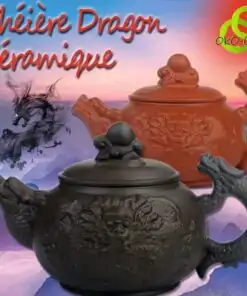
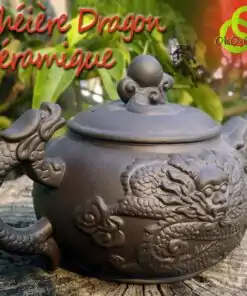
Ceramic or porcelain teapot
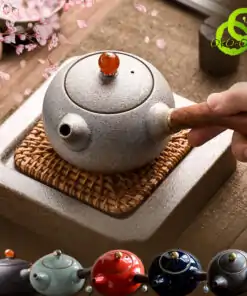
Ceramic or porcelain teapot
Ceramic or porcelain teapot
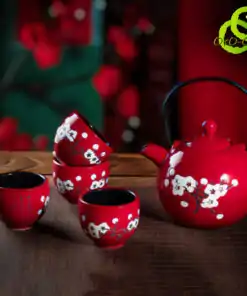
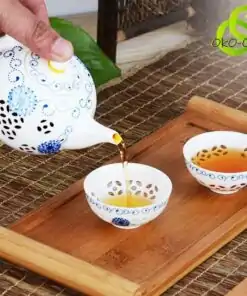
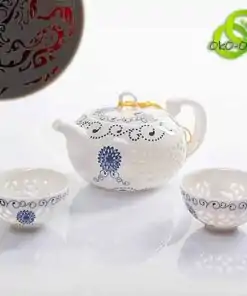
Ceramic or porcelain teapot
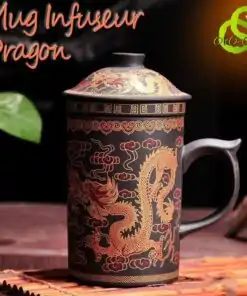
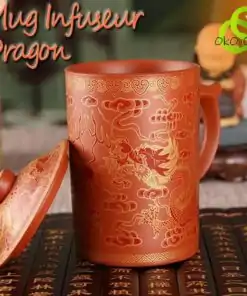
Nomad teapot
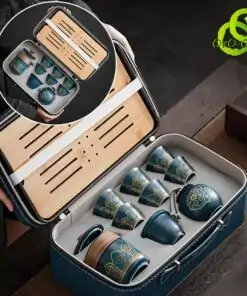
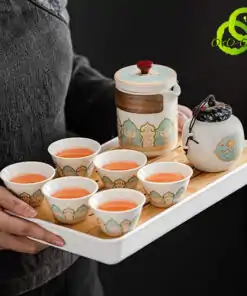
Tea sets
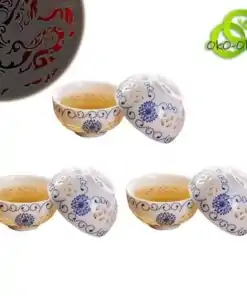
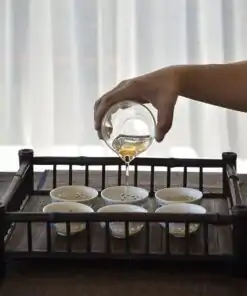
Ceramic or porcelain teapot
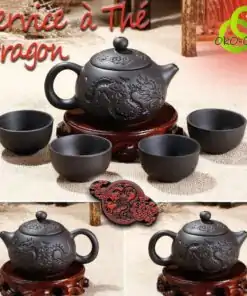
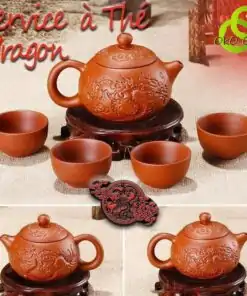
Ceramic or porcelain teapot
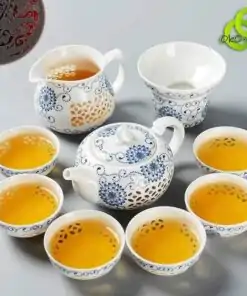
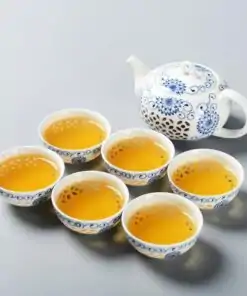
Ceramic or porcelain teapot
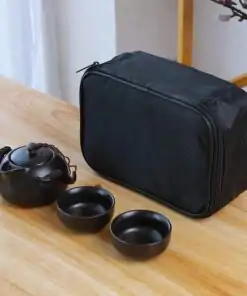

Tea sets