








Herbal teas and flower infusions.
Rooibos, chamomile, hibiscus, rose, jasmine, chrysanthemum, lotus or butterfly pea, our herbal teas are naturally theine-free and can be enjoyed in the evening as well as during the day.
Herbal tea, tisane or infusion?
These words are often used for the same drink. Infusion mainly describes the method, pouring hot water over a plant. A tisane, or herbal tea, is the drink made from flowers, leaves or fruit, without any tea.
The word tisane comes from the Greek ptisanē, hulled barley. Hippocrates already recommended this barley water to his patients nearly 2,500 years ago. The name stayed, the plants changed.
Rooibos, the theine-free “red tea”.
Rooibos is not tea. It is a South African shrub whose name means “red bush” in Afrikaans. Its fermented needles make an amber infusion, mild and lightly vanilla-scented.
It is naturally theine-free, which makes it the ideal evening drink. Another plus, it never turns bitter, even if you forget it in the teapot.
Chamomile tea, a gentle evening cup.
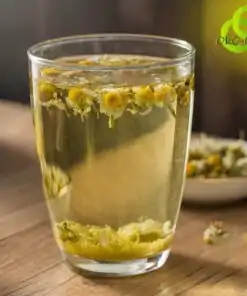
Chamomile takes its name from the Greek “chamaimēlon”, the apple on the ground, for its scent of ripe apple. Its small dried flowers make a golden, round and mellow tea.
It is the evening herbal tea above all others, to drink plain or with a spoonful of honey, to end the day gently.
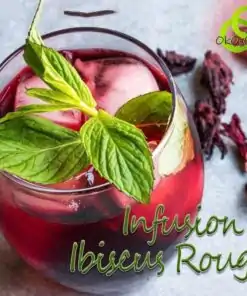
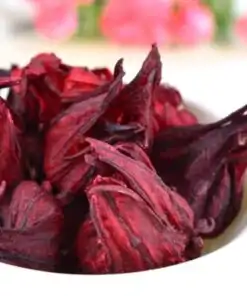
Hibiscus tea, red and tangy.
Hibiscus petals, also known as roselle, turn the water a deep red. Their tangy taste recalls redcurrant and cranberry.
In West Africa it is used to make bissap, served iced and sweetened. Hot in winter or iced in summer, hibiscus is a drink for all year round.
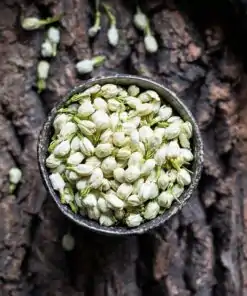
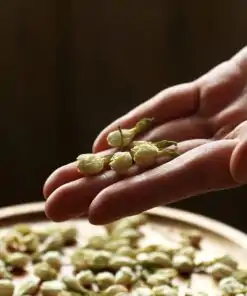
Rose, jasmine and orange blossom, the fragrant flowers.
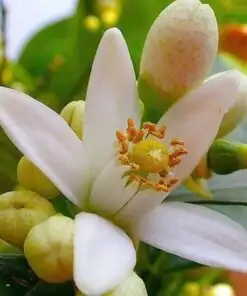
Our rose buds, jasmine and bitter orange blossom are whole and organic. They make delicate, highly fragrant infusions that scent the room as they brew.
They also pair well with a green or white tea, to create your own blend. A few buds are enough for a teapot.
Chrysanthemum, a Chinese tradition.
In China, chrysanthemum tea has been enjoyed for centuries, often after a meal. We offer Gong Ju from Anhui province, an organic chrysanthemum from Zhejiang and snow chrysanthemum.
Its flowers open in the water and give a clear infusion with a floral, honeyed taste. It looks beautiful served in a glass teapot.
Lotus, from flower to seed.
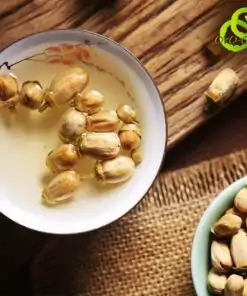
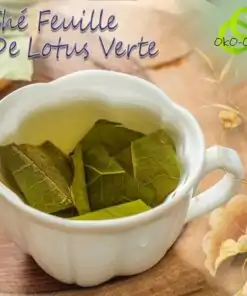
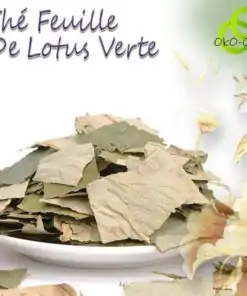
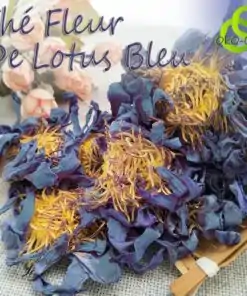
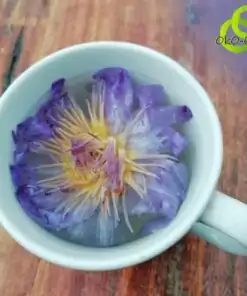
The lotus, a sacred flower in Asia, can be brewed in several forms. We offer the whole flower, the green leaf, the seed germs and a ready-made herbal tea.
The flower gives a soft, floral infusion. The leaf is more herbaceous, and the germs, more bitter, appeal to lovers of bold flavours.
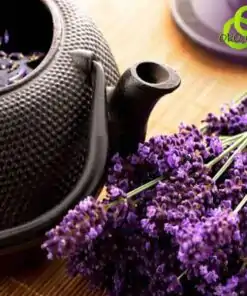
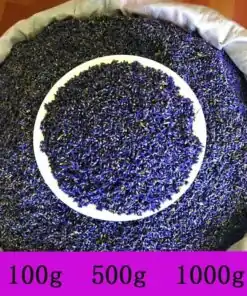
Lavender, in a cup or in the kitchen.
Organic lavender makes a fragrant tea to use sparingly, a small pinch per cup is enough. Mixed with chamomile, it makes a very gentle evening blend.
It also flavours your desserts and syrups, crème brûlée, biscuits or homemade lemonade.
Butterfly pea flower, the blue tea.
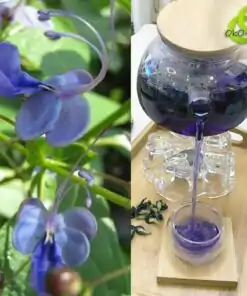
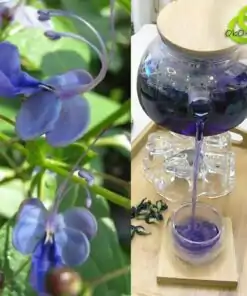
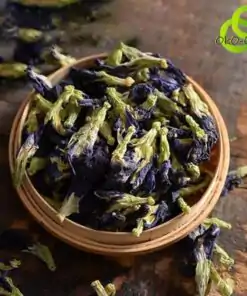
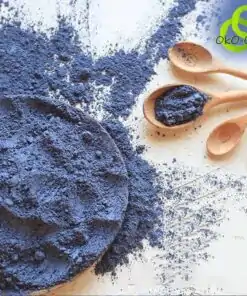
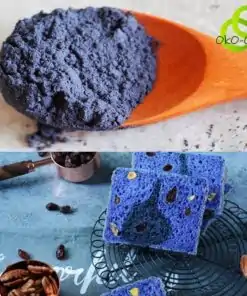
The butterfly pea flower, or Clitoria ternatea, gives an intensely blue infusion. In Thailand it is drunk under the name nam dok anchan.
Add a few drops of lemon and the blue turns purple before your eyes. Find flowers and powder in our selection of butterfly pea flowers.
Black goji berries.
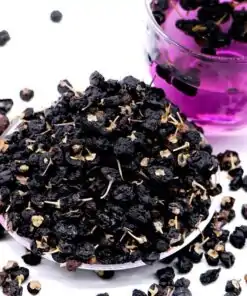
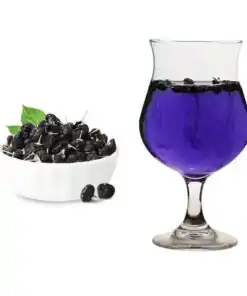
Black goji berries are brewed like a herbal tea. In water they release a purple or bluish colour depending on the water, a lovely sight in a clear cup.
Prepare them with hot but not boiling water to keep their colour. Their taste is mild and slightly fruity.
Loose herbal tea, easy to prepare.
Loose herbal tea keeps the flowers whole with all their fragrance. Allow one teaspoon of flowers per cup, a little more for light flowers such as chamomile.
Pour the hot water, cover to keep the aromas in, then let it steep. An infuser or a teapot with a filter is all you need.
Brewing temperatures and times.
Each plant has its own guidelines. Here are ours.
| Herbal tea | Temperature | Brewing time |
|---|---|---|
| Rooibos | 95 to 100 °C | 5 to 7 min |
| Chamomile | 95 to 100 °C | 5 min |
| Hibiscus | 95 to 100 °C | 5 to 8 min |
| Rose, jasmine, orange blossom | 85 to 90 °C | 3 to 5 min |
| Chrysanthemum | 90 to 95 °C | 3 to 5 min |
| Lotus | 90 to 95 °C | 5 min |
| Lavender | 90 to 95 °C | 3 to 5 min |
| Butterfly pea | 90 to 95 °C | 5 min |
| Black goji berries | 60 to 80 °C | 5 to 10 min |
A temperature control kettle helps you find the right heat.
Storing your herbal teas.
Dried flowers dislike moisture and light. Keep them in an airtight tin, somewhere dry and out of the sun.
Stored well, they keep their fragrance for several months. A flower that no longer smells of anything has lost its aroma.
Good to know.
Herbal teas are theine-free, but plants remain active. During pregnancy or breastfeeding, or if you are on medication, ask your doctor or pharmacist before drinking them regularly. A herbal tea is no substitute for medical treatment.
Herbal teas
Herbal teas

Butterfly pea flowers
Butterfly pea flowers
Herbal teas
Butterfly pea flowers


Butterfly pea flowers
Herbal teas
Herbal teas
Herbal teas
Herbal teas
Herbal teas